Land’s Sake Farm, a long-standing part of the Weston community, continues to play a central role in connecting residents to local agriculture. This is demonstrated through its produce programs, educational initiatives, and employment opportunities for students.
Located on town-owned land off of Wellesley Street, Land’s Sake has been an integral part of Weston’s identity for decades. Many people choose to shop there to reduce their dependence on supermarkets, and due to the freshness of its fruits and vegetables.
“Getting food from Land’s Sake makes me think more about what I eat and where it comes from,” said sophomore Neeve Callanan. “The produce is always great, and the people who work there genuinely care.”
The farm’s Community Supported Agriculture program (CSA) is one of the farm’s most popular features. Local families can purchase seasonal “shares” that enable them to receive weekly, seasonal collections of vegetables, herbs, and fruits grown directly on the farm. The CSA program has encouraged more people to eat locally and reduce their environmental impact.
“I love Land’s Sake,” said junior Romee Van Zadelhoff. “My family owns a share, and we get local produce from there every week. It’s really nice to know that our food is grown right here in our town.”
For many Weston families, Land’s Sake is more than just a farm; it’s a place for people to come together. The farm has many volunteer opportunities for people of all ages.
“I volunteered there during the summer as a farmer, and it was such a great experience,” said Van Zadelhoff. “Even though I’m not the farming type, I gained a bunch of knowledge about it. I didn’t realize how much effort it takes just to grow one crop.”
Farm volunteers play a crucial role in making Land’s Sake run. Many residents donate their time during the growing season, helping with planting, weeding, and harvesting.
“I think it’s a great opportunity for students to give back while learning,” said junior Brode Kohler.
Volunteers at Land’s Sake range from families and students to retired residents, all contributing to the farm’s operations. In addition to field work, volunteers participate in organizing educational workshops, assisting with seasonal festivals, and mentoring students during farm programs.
“It’s amazing to see how people of all ages come together,” said Van Zadelhoff. “You can really feel the sense of teamwork when everyone’s together working on the same thing.”
Beyond community activities, Land’s Sake also works closely with local schools, integrating environmental lessons with real-world farming experiences. Teachers use the farm as an outdoor classroom where students can learn about soil, composting, and sustainable food systems.
“I remember taking several visits to Land’s sake when I was in Field School,” said junior Aditya Mehta. “It was so fun getting to learn outside the classroom.”
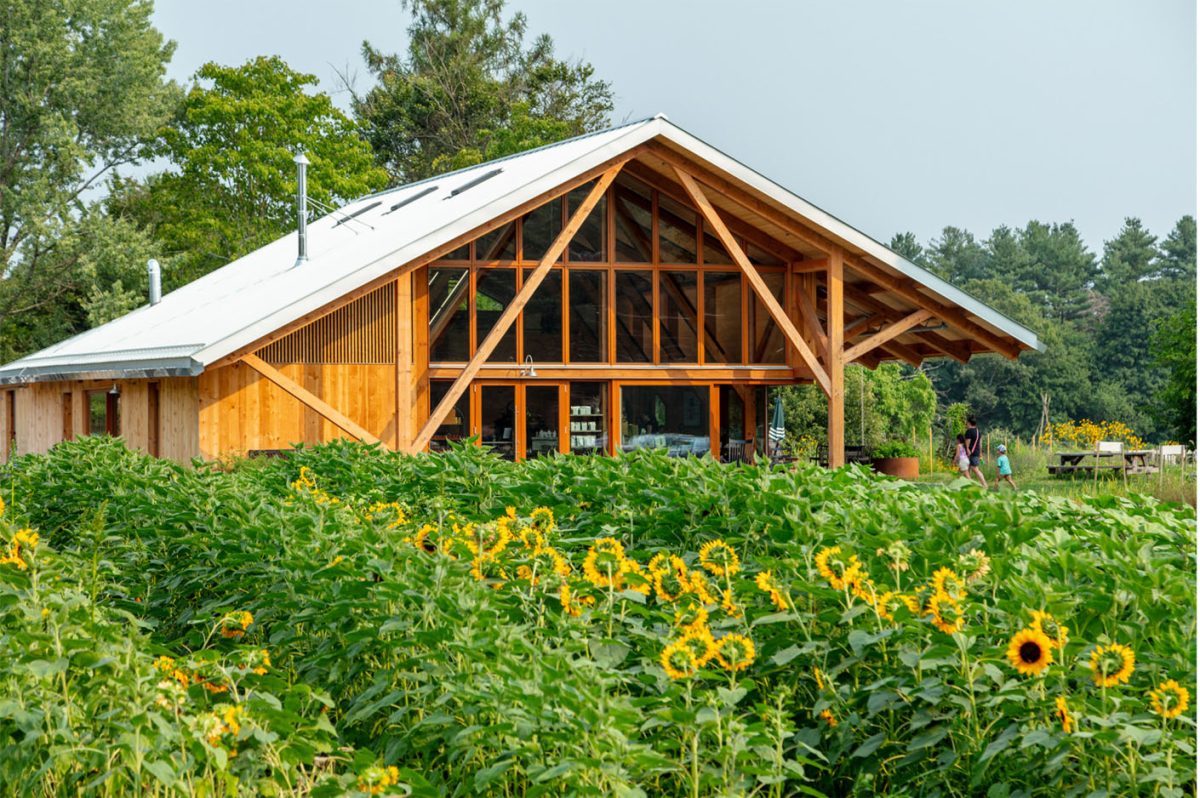
In 2024, the farm opened its new farmstand as part of its Net-Zero Farm plan. The 4,300 square foot building features energy efficient design with a solar array and a wood curtain wall system, adding a great new functional space for Land’s sake to continue to sell its produce and other knick knacks.
“I’ve been going to Land’s Sake since I was little, and my dad actually helped build the new farmstand,” said junior Chloe Sullivan. “Seeing it finished really feels special.It’s a great addition that keeps the farm’s vibe while helping it grow for the future.”
In addition, Land’s Sake is also committed to addressing food insecurity. Each year, the farm donates thousands of pounds of fresh produce to local food pantries and hunger-relief organizations across Greater Boston, such as the Boston Area Gleaners, Spoonfuls, and Rose’s Place.
“It’s important to make sure everyone has access to healthy food,” said senior Linda Wang. “Land’s Sake’s donation program shows how a small town farm can help make a big difference.”
The farm also maintains habitats for local wildlife, including pollinator gardens to support bees and butterflies. This focus on ecological stewardship complements Land’s sake’s educational mission, showing visitors how a farm can be productive while supporting biodiversity.
“It’s amazing to see how a farm like Land’s Sake can just do it all,” aid Callanan “They grow food, while also taking care of bees, butterflies, and even more wildlife!”
As Weston continues to grow, Land’s Sake’s combination of sustainability, community involvement, and student engagement helps ensure that it stays such a big part of the town of Weston.
“It’s just a great place; Weston wouldn’t be Weston without it,” said Wang. “I think it’s great to have a place that brings families, students, and neighbors all working or relaxing at the same place. It makes the town feel more connected.”