Long, sunny days at WHS remind some students that summer camp is right around the corner as they look forward to diving into music, art, and a range of activities that make the season feel creative and active.
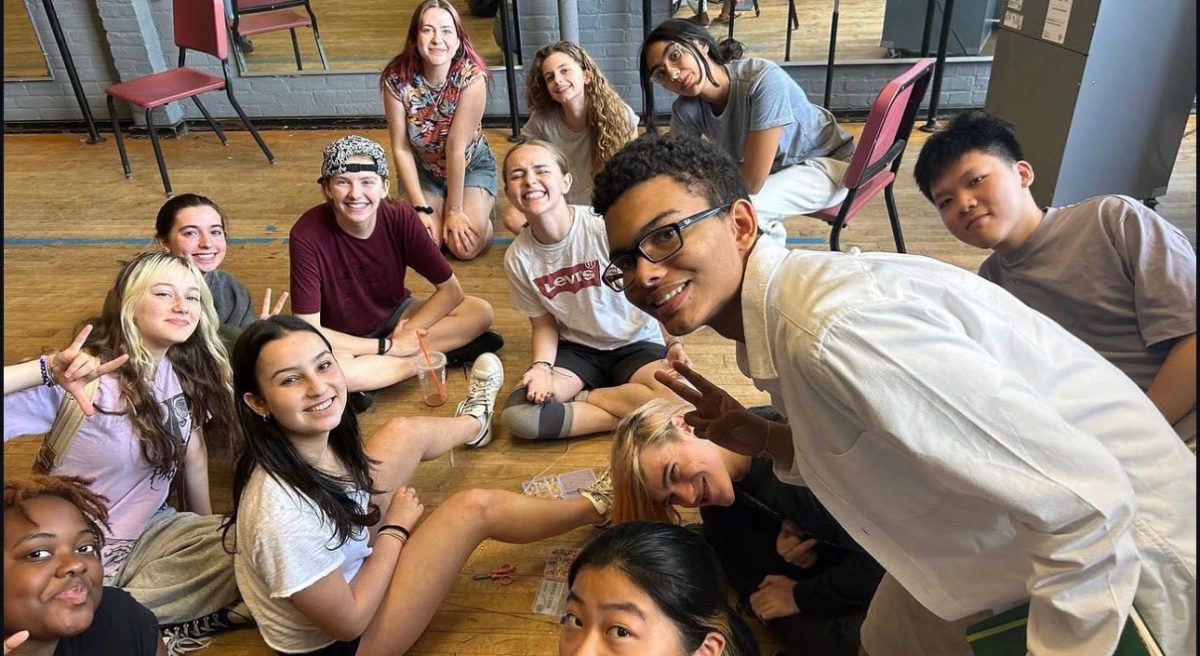
There are many different camps available for those interested in taking to the stage in the summer, one of them being theater camps at BUSTI (Boston University Summer Theatre Institute) in Boston. With an acceptance rate of less than 50 percent of applicants, BUSTI is a selective summer program that focuses on theatre and performance skills.
“I got to learn a lot of acting techniques, how to write plays, and just the basics of theater,” said senior Himani Jamwal. “It was overall a really good and educational experience.”
Along with the general theater education BUSTI offers, they also dive deeper into specific techniques to help those attending become better actors, playwrights, and overall artists.
“I really liked our movement class, as it taught us to be more free on stage, which is a really important skill to have when it comes to theater,” said Jamwal.
Not only do people attending summer camps enjoy the chance to learn new skills; those who are advisors for camps can also appreciate camps and the variety of activities they offer.
“I loved teaching drama [in a summer camp] because we would do fun activities with the campers,” said drama teacher Anne Isaacs. “I [also] really loved some of the other activities that we did including archery, being in the clay studio and cooking.”
For the musically-inclined performers, music camps at The Rivers School Conservatory in Weston and Boston Youth Symphony Orchestra (BYSO) in Boston provide the opportunity for young musicians to experience playing in an ensemble group with people they may not be particularly familiar with.
“My favorite part was definitely meeting other percussionists and connecting with other people my age,” said freshman Jessica Marill, who attended The Rivers School summer band camp program.
While the BYSO camp does mostly focus on building people’s musical skills, they also offer a wide variety of other fun summer activities.
“In addition to playing our instruments and going to rehearsals, we did water activities, swimming, and board games,” said sophomore Neeve Callanan. “My favorite part was swimming with my friends.”
Not everyone chooses to attend art-oriented camps; some students prefer to spend their summers in one of the various sports camps, such as the JCC summer tennis camp in Newton, MA.
“Our schedule consisted of warming up for an hour, then playing for about two or three hours, and finally we would get to swim in the pool,” said junior David Spada.
In addition to improving their athletic skills at these types of camps, the interpersonal opportunities were another key element of the experience.
“I got to know the people that went there and the coach really well over time,” said Spada. “Overall, I got to learn a lot of good things developmentally [from this camp] as I was growing up.”
Although camp is typically recognized as a fun summer activity, some are scheduled to connect with school starting back up at the end of summer.
“I would recommend [the Rivers music camp] because it’s at the end of August, so it can help make the transition back to school in a fun way,” said Marill.
Not only do underclassmen find summer camps to be helpful for the transition back into school; some upperclassmen find that camp can be helpful for the transition into college.
“It was useful because we got to experience college life in a way since many people got to live on campus while they were at this program,” said Jamwal.
While still remaining something lighthearted and enjoyable to do in the summertime, summer camp can also offer many benefits physically, mentally, and socially.
“It’s really important, whether you are five or 15, to get out of the house and do something in the summer that is not screen-related or by yourself,” said Isaacs. “[Summer camp] is all about taking a risk and putting yourself in a situation where you’re not 100% comfortable because that’s when the best growth happens in the brain.”
Despite the necessity of being ready to try something new when one first attends summer camp, the challenge is generally very manageable due to the structure that summer camps provide.
“[Summer camp] gives independence to campers who are right at the age where they want and need some independence, but it tends to do so in a safe, non-risky way,” said Isaacs.