Memes are an integral part of pop culture, and over time they have evolved from a simple image or GIF to a phrase and gesture whose legacy can be forgotten in an instant or remembered for years.
A meme – defined fundamentally as an idea, behavior, style, or piece of digital media that spreads rapidly from person to person within a culture – has transformed from simple humorous captions with a funny image into a shared language that shapes how teenagers connect and joke throughout their school days.
In their earliest form, memes were often limited to images and viral videos, or clips of shows and movies.
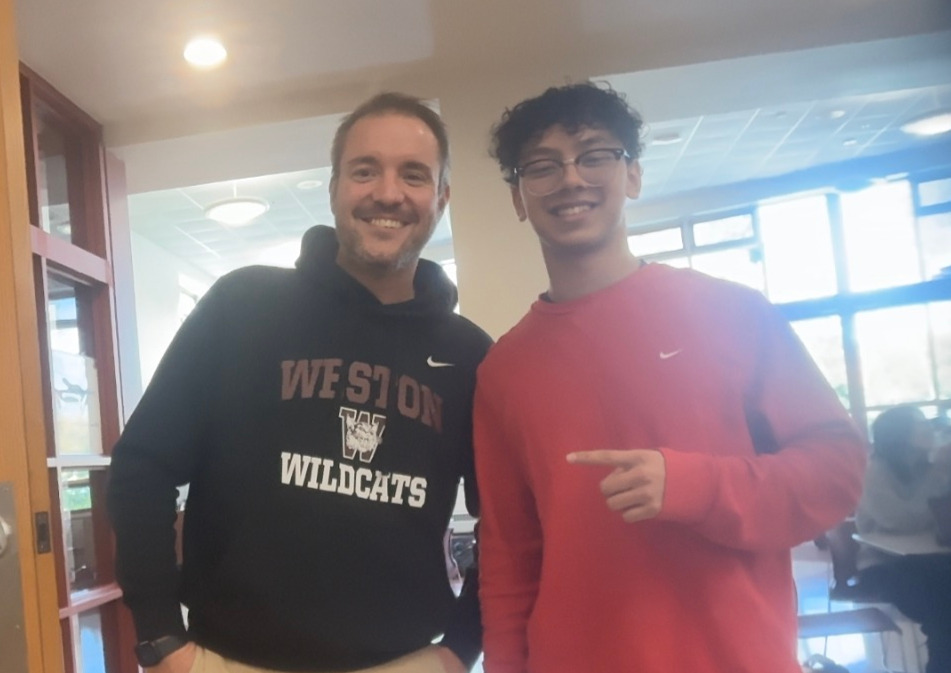
“From before the days of social media, my friends and I used to laugh at the characters from Homestar Runner,” said math teacher Bailey Fidler. “Sometimes I see a meme featuring one of them [characters from Homestar Runner], and I remember the good times I had laughing with my friends in high school way back in the day.”
Today digital entertainment has evolved into short-form content that students interact with throughout their lives. Trends like Triple T and Italian brainrot to absurd character memes like Skibidi Toilet, and chopped chin are prime examples for memes that have come and gone through pop culture. For example Skibidi Toilet, a popular Youtube series where human heads inside of toilets fight, originally came out in 2023. At that time the phrase “skibidi toilet” became part of common slang, but in the years since it has been forgotten by students, demonstrating that not all memes have a long life.
The viral images that survive over time often evolve to have different versions and meanings from the original, which can reinvigorate their relevance and the interest in them.
“I am partial to the ‘success kid’ meme, which is very versatile and I’ve laughed at lots of them,” said Fidler. “To me, what’s usually funny about a meme is how well it fits in the situation at hand, rather than the meme itself.”
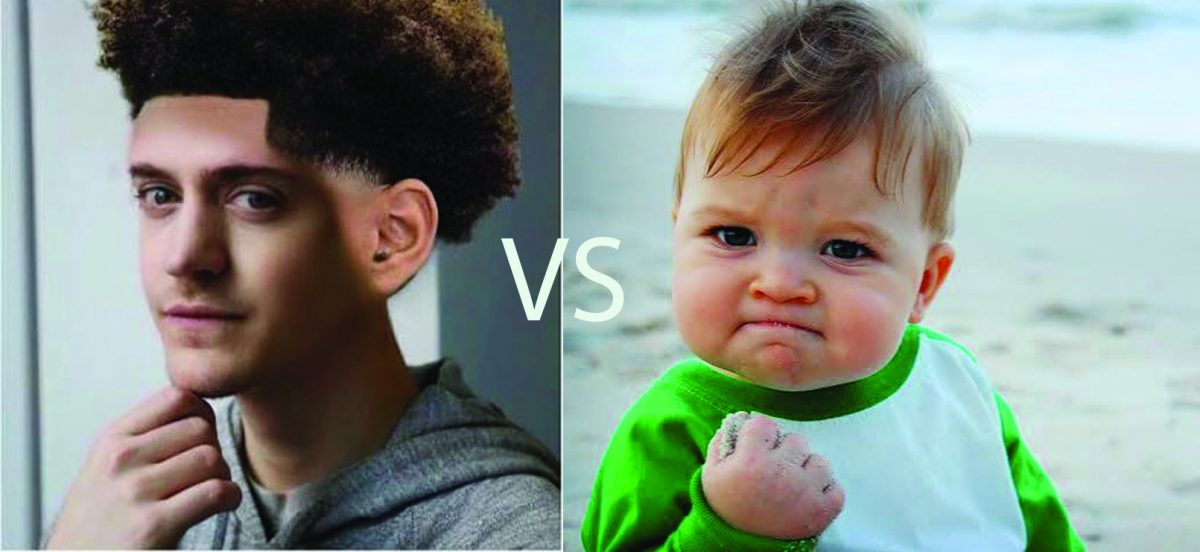
The legacy of the “success kid” meme, a picture of an 11-month old child clenching a fistful of sand with a determined facial expression, has changed from being a picture used for reactions to posts or other online elements into a cultural icon from the early days of social media with thousands of versions of it used throughout the world, indicating that its versatility played a role in its staying power.
There are many memes currently circulating in pop culture. The low taper fade meme, which started as a viral haircut reference, is a favorite for many that leaves a mark on their day-to-day interactions and personal humor.
“My favorite meme is the low taper fade meme,” said sophomore Woods Wilder. “It’s had a big impact on my life. I feel like it’s just changed me. For a period of time it impacted almost every conversation I had. Anytime someone said the word ‘massive’ I felt obligated to say ‘do you know what else is massive? The low taper fade meme.’”
The low taper fade meme began in January 2024 and when music streamer Ericdoa was live-streaming a freestyle rap that involved an emotional story and, in trying to lighten the mood, randomly blurted “Imagine if Ninja [a popular Fortnite streamer] got a low taper fade.” That piece of the live-stream went viral on TikTok, and Ninja helped propel it further by actually getting a low taper fade haircut and continuing to reference the idea in his social media posts to this day.
The link to social media is key to memes that generate lasting interest, though that interest is not always universally shared. As popular culture cycles accelerate due to social media, some trends divide students’ opinions over whether they hold any real humor, creativity, or substance.
“A meme I don’t like is 6-7,” said senior Nick Fa. “I think this meme is meaningless, but people just keep on saying it. It sounds very silly.”
The phrase “6-7” traces back to the rapper Skrilla’s drill track “Doot Doot (6 7)”, which repeats “6-7” as a hook. It entered student conversations through social media algorithms, illustrating how quickly arbitrary numbers or phrases can gain traction without any narrative or clear context. Some believe 6-7 will soon fade away.
“People are probably going to forget it within another year,” said Fa. “Nowadays, these memes don’t last long. They come and go all the time.”
Despite its lack of clear definition or conventional humor, the exact same phrase holds a completely different appeal for other students.
“My favorite meme is the 6-7 meme,” said senior Greg Kocharyan. “Everyone does it. I don’t care that it doesn’t mean anything; it’s just funny.”