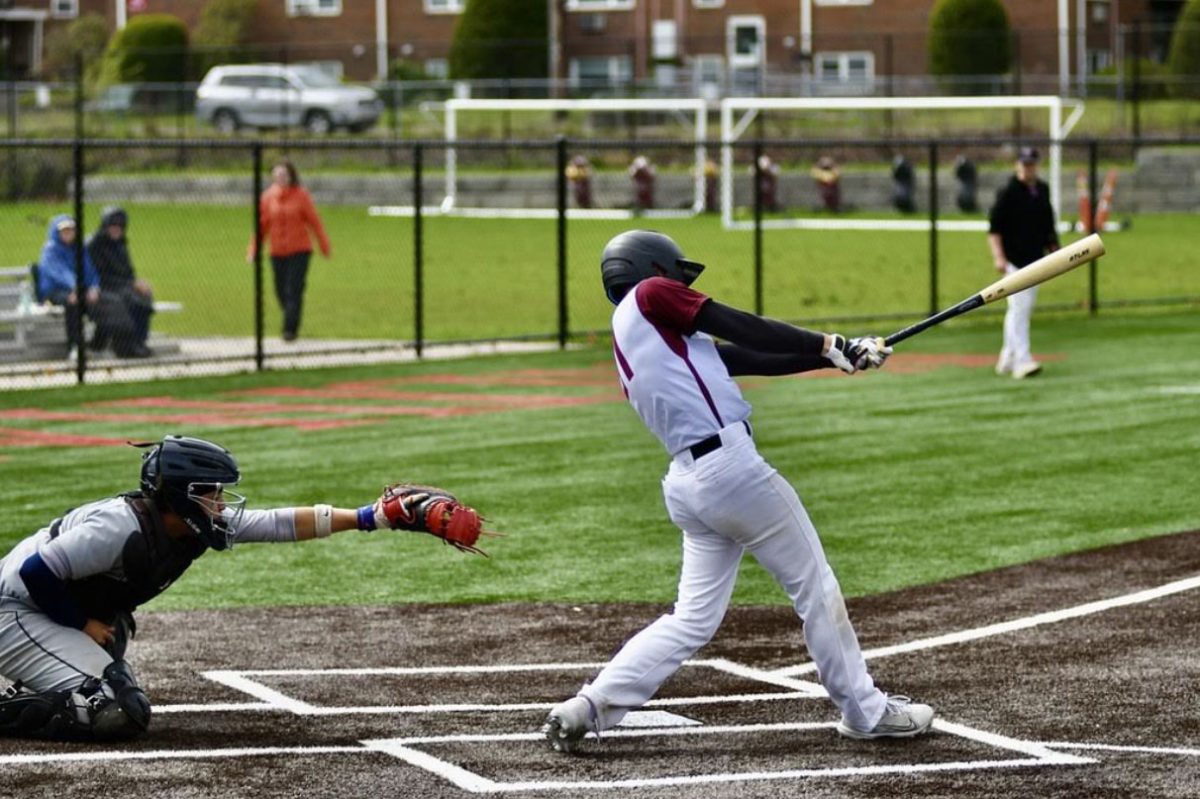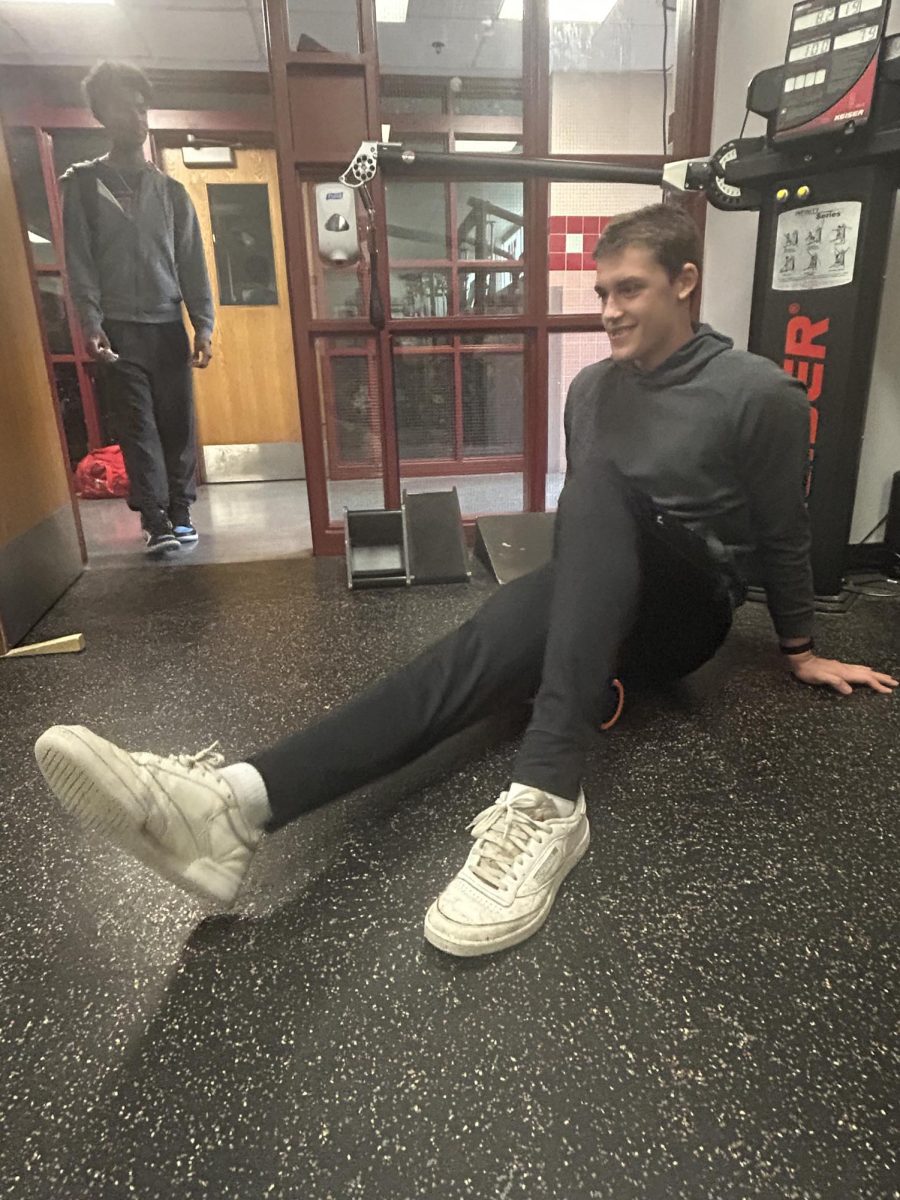
For high school athletes, staying healthy can be just as vital as winning the next game. In the weight room, on the field, and on the track, WHS athletes rely on warm-ups, conditioning, and recovery to try to avoid injuries and stay in the game.
Before a practice or game, most athletes engage in routines to prepare for the physical demands of the upcoming workout. Studies show that dynamic warm-ups can improve flexibility, muscle performance, and readiness for physical activity.
“Warm-up was shown to improve performance in 79% of the criteria examined,” states the National Institute of Health in a report on the effect of warming-up on physical performance. “This analysis has shown that performance improvements can be demonstrated after completion of adequate warm-up activities, and there is little evidence to suggest that warming-up is detrimental to sports participants.”
In addition to ensuring readiness for competition, athletes also have to manage the ongoing strain on their bodies throughout the season.
“It’s important to know your limits when you’re injured and to keep your coaches informed,” said senior Sloan Berry. “As a coxswain, I’ve noticed many rowers push through injuries instead of speaking up, but recognizing when your body needs a break is an important part of being a good athlete.”
The physical rigors of competition can vary from sport to sport, which means that athletes may face different challenges when it comes to staying healthy throughout the season.
“Football players can have a variety of injuries depending on their position,” said senior Massimo Selvig. “Linemen tend to get more shoulder injuries, and concussions are also a concern. Our coach started having us wear Guardian Caps to help prevent concussions recently.”
For some athletes, the impact of an injury can extend beyond the loss of playing time in the current season.
“Especially in high school, avoiding injuries is important if you’re trying to get recruited because coaches want athletes who can stay healthy and keep playing,” said senior Celia Balbale. “Staying healthy also helps you keep playing your sport at a high level for a longer time.”
Even with the right preparation and good habits, injuries are still going to remain a part of high school sports. Athletes can face everything from minor soreness to injuries that will keep them out for an extended period.
“From my experience in cross-country and track, injuries like shin splints and tendonitis can really affect an athlete’s ability to train and compete,” said senior Matthew Fitzgibbon. “Muscle overuse and not doing recovery runs well enough usually causes those injuries to happen.”
Knowing when an injury requires medical attention is essential for athletes, as recognizing the warning signs early can help prevent further damage and potentially keep a minor injury from ending their season.
“If an athlete feels that they cannot actively participate at the level they once could because of soreness or pain, that is usually the first indication that they should seek medical attention,” said history teacher and assistant soccer coach Monny Cochran.
When an injury forces an athlete to sit out, the focus shifts to recovery, which directly impacts when they can safely return to competition.
“I had an injury in my foot that affected the area from my big toe toward my heel. I had symptoms similar to plantar fasciitis, and I’m still recovering from it,” said senior Aarav Mehta. “I’m planning to do shockwave therapy as part of my recovery.”
Athletes may also have to revise some of their usual training routines while recovering from an injury to ensure a speedier return to full capacity.
“I’ve worked with my coach to adjust my training. I’ve done a lot of biking and used the elliptical to reduce the pressure on my foot,” said Mehta. “Later, I gradually started doing some outdoor running again, but most of my training volume came from biking and the elliptical.”
To help athletes better manage their physical needs, coaches can help by establishing expectations around recovery measures during the season.
“We talk with players, especially during preseasons, about how important it is to take care of their bodies,” said Cochran.
As teams continue through their seasons, preventing injuries becomes less about one specific routine and more about the everyday choices athletes and coaches can make to help prevent injury.
“Drinking plenty of fluids and warming-up properly are things athletes can do themselves to help prevent injuries,” said Cochran. “These simple habits can play an important role in helping athletes take care of their bodies and reduce the risk of injury.”
Developing healthy habits is especially crucial for younger athletes who are still learning how to take care of their bodies.
“My biggest advice for younger athletes about injury prevention is eating enough and getting enough sleep,” said Balbale. “[You] have to be eating enough food, and you should be getting at least eight hours of sleep each night.”