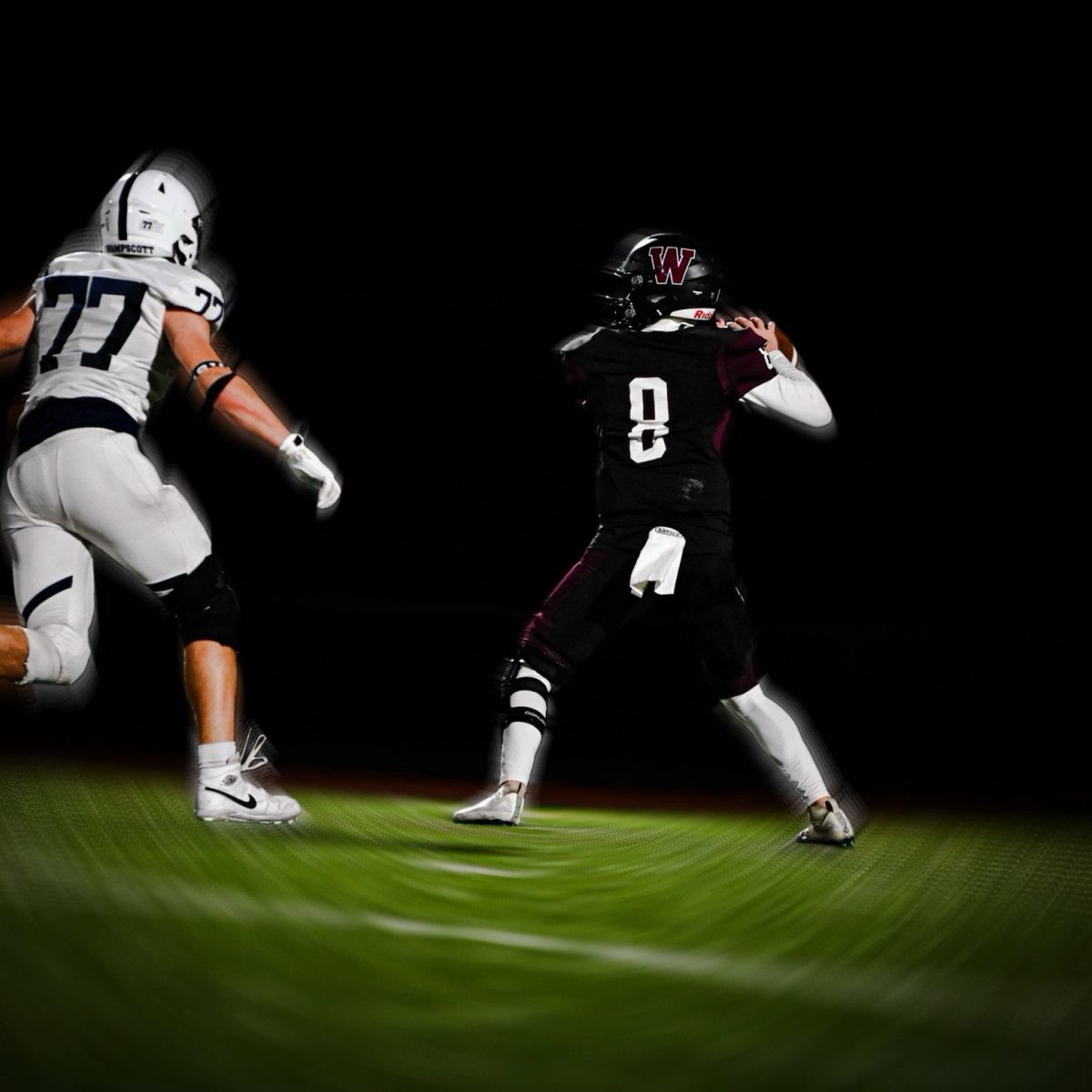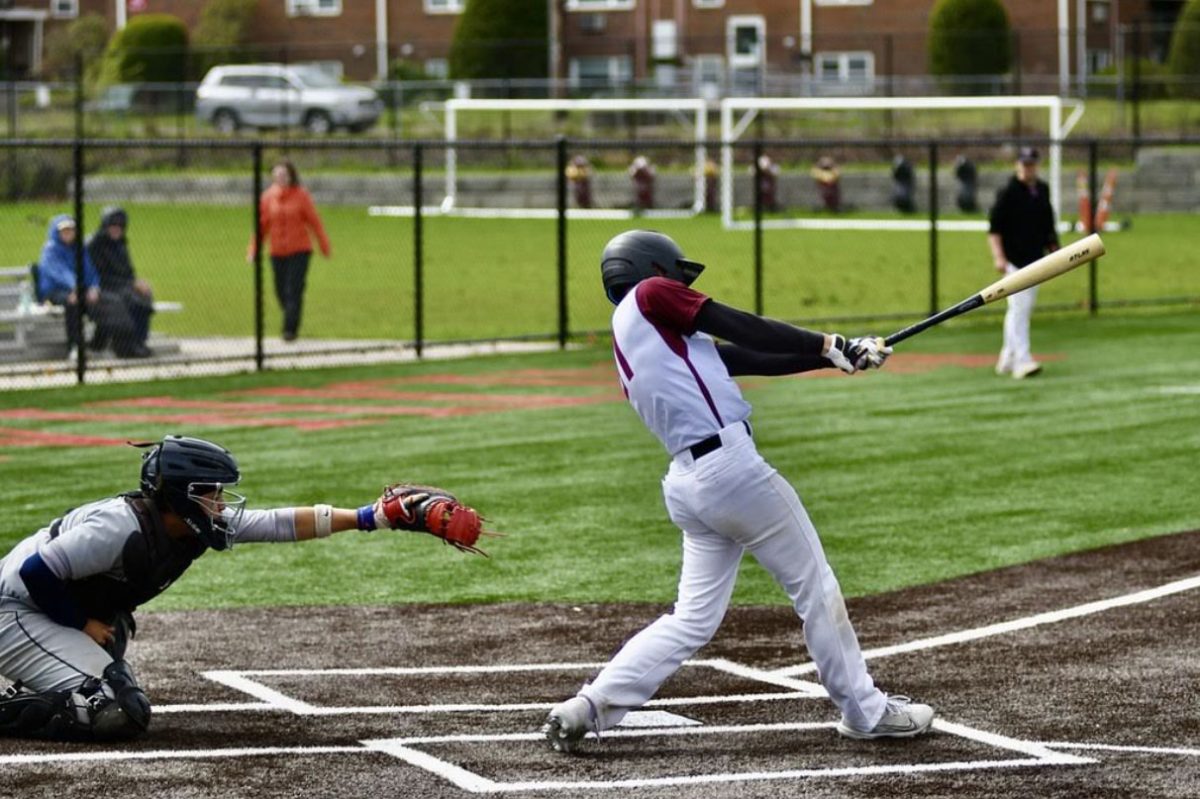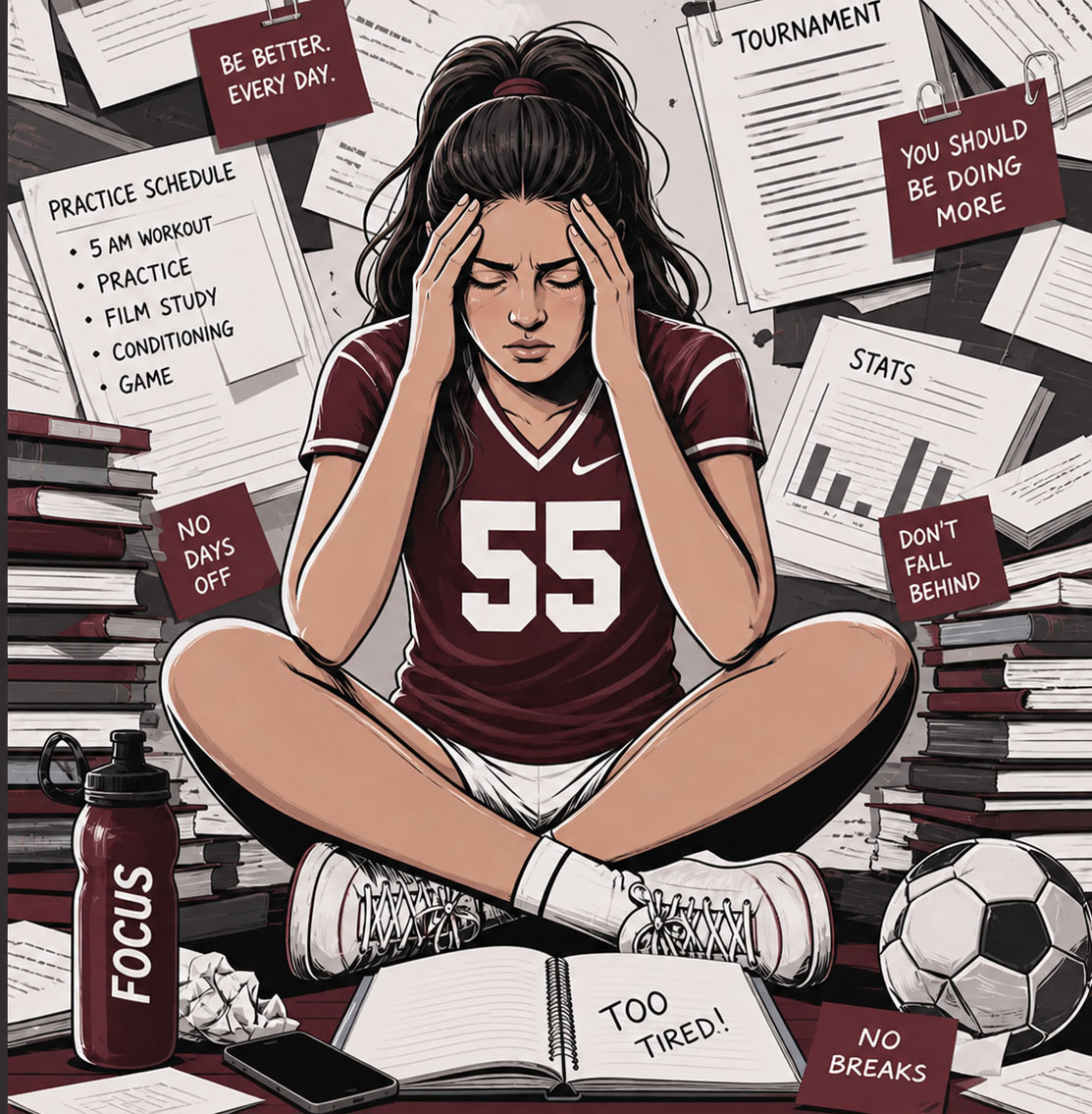
While balancing extracurriculars, schoolwork, and athletics, some WHS athletes face a universal challenge, no matter what sport they participate in: burnout.
According to the National Athletic Trainers’ Association, athlete burnout is described as “a response to chronic stress of continued demands in a sport or activity without the opportunity for physical and mental rest and recovery.”
The demanding schedules that athletes are required to follow in order to excel in their sports contribute to athlete burnout.
“[Participating in sports] gives me less free time to do my stuff, and I stress about it later,” said sophomore Prentice Lesser.
The lack of free time in combination with the inherent competitiveness of some sports leave certain athletes at WHS feeling overwhelmed.
“[Because swimming is] a very competitive sport, there’s a lot of pressure to train a lot, and make sure that you are good at it, especially on the Weston team,” said freshman Everly Kraska. “That’s because the Weston team is insane at swimming.”
Another common cause of sports-related burnout in student athletes are the injuries associated with the sports they participate in.
“I quit last year [due to injury], and then I came back this year to play with my friends,” said junior Sam Darling.
Some athletes emphasize utilizing their free blocks and studies to do work while in school and help avoid burn out.
“I have a lot of frees that I like to do [work] in so I don’t have to do it when I get home from lacrosse. I have no motivation to do it when I get home,” said Darling.
Amid these challenges, students have begun to consider what would make school athletics more realistic and sustainable for student athletes.
“More spaced out practices [would make sports less stressful],” said Lesser. “Instead of five days a week, all in a row, we [could] put one or two on the weekends.”
Other students lean towards changing their mentality around their performance to stay motivated in their sports.
“Realizing that one bad game doesn’t define you helps [to avoid burnout],” said freshman Chase Flint. “Not being the starting player or not being the main player doesn’t define you.”
When surrounded by stress associated with school sports, students use the people around them to avoid burnout.
“There’s so many other people on the same team that are in the same position [and] understand how you’re feeling,” said Kraska. “You can definitely talk to them.”