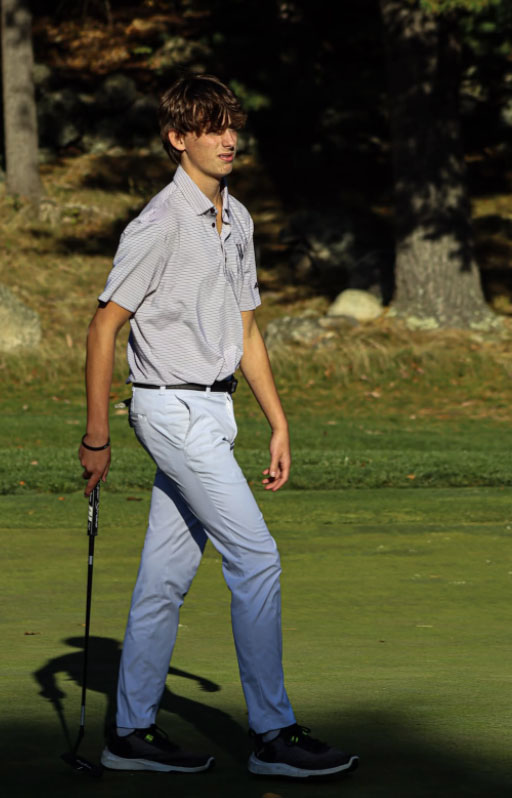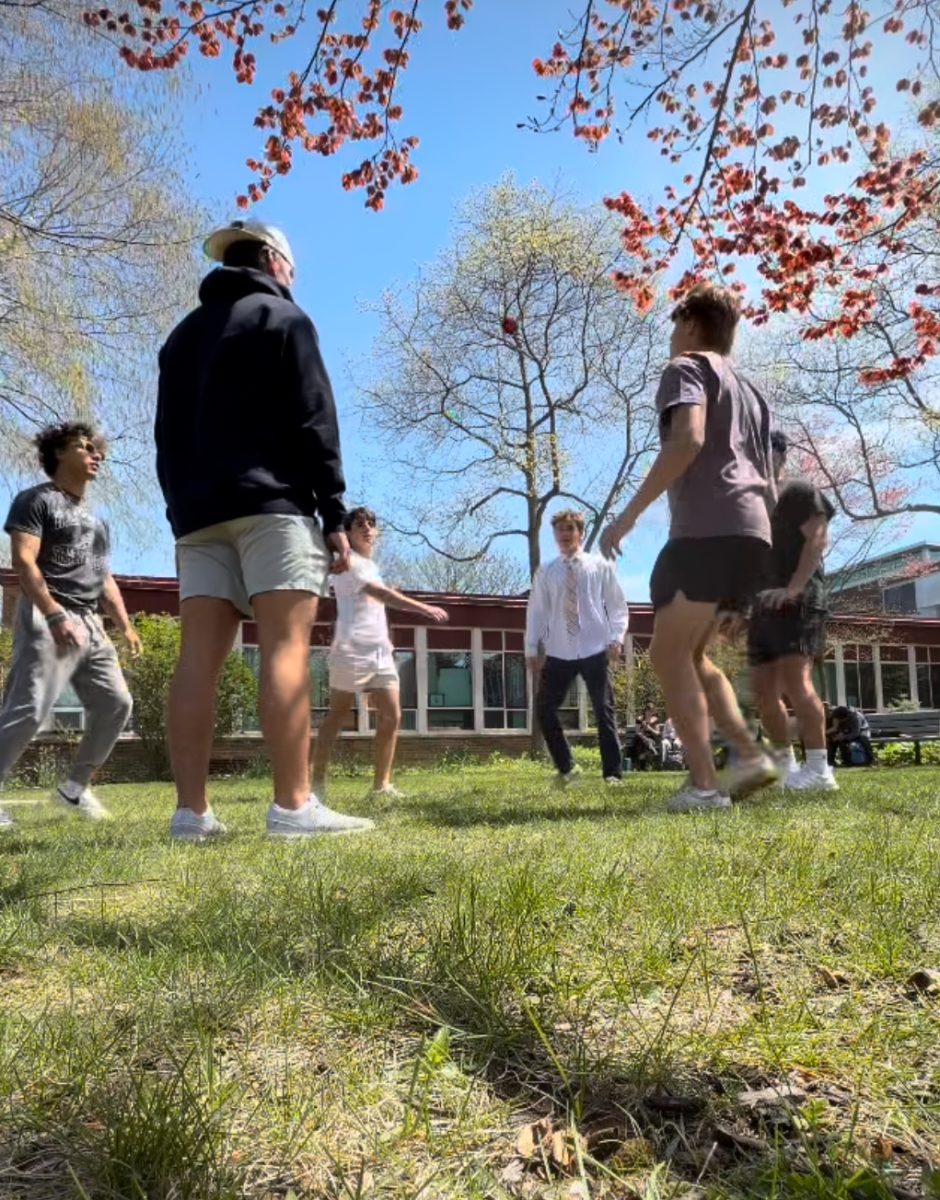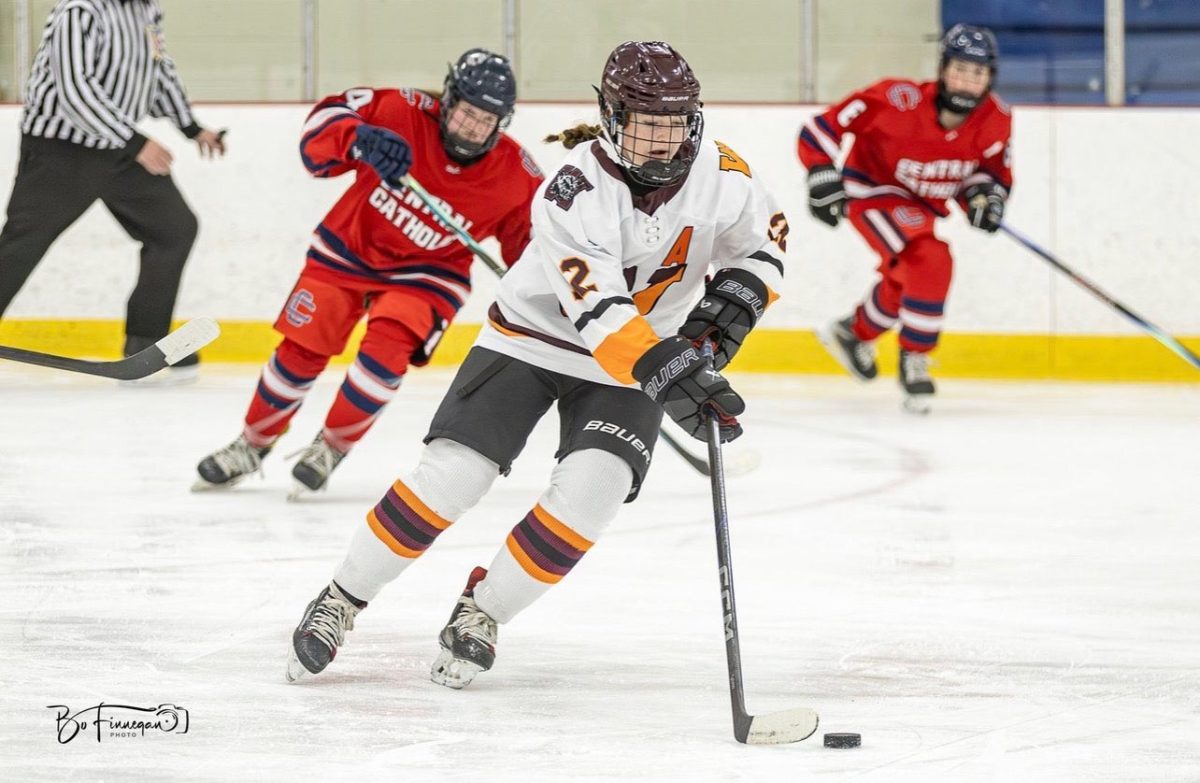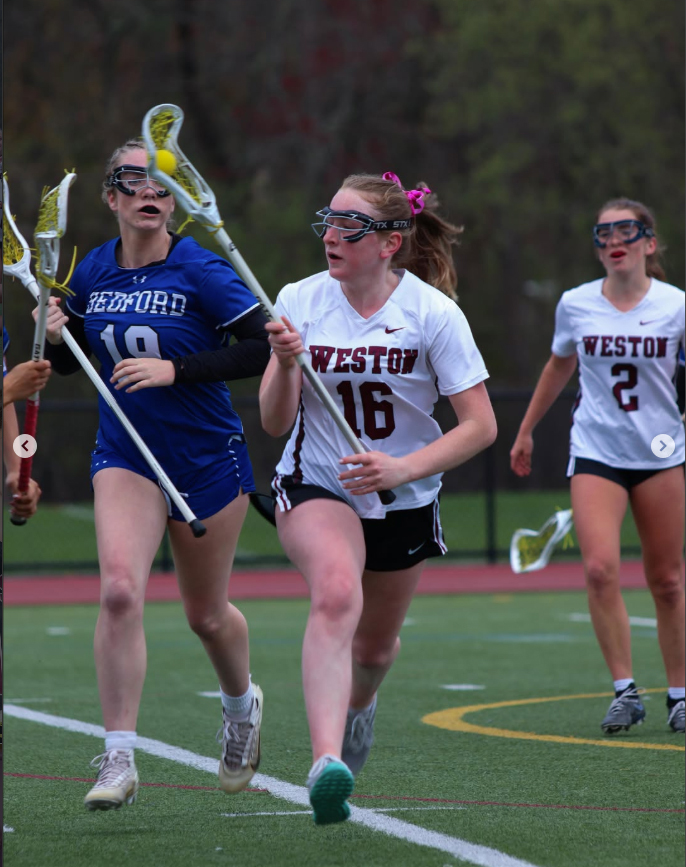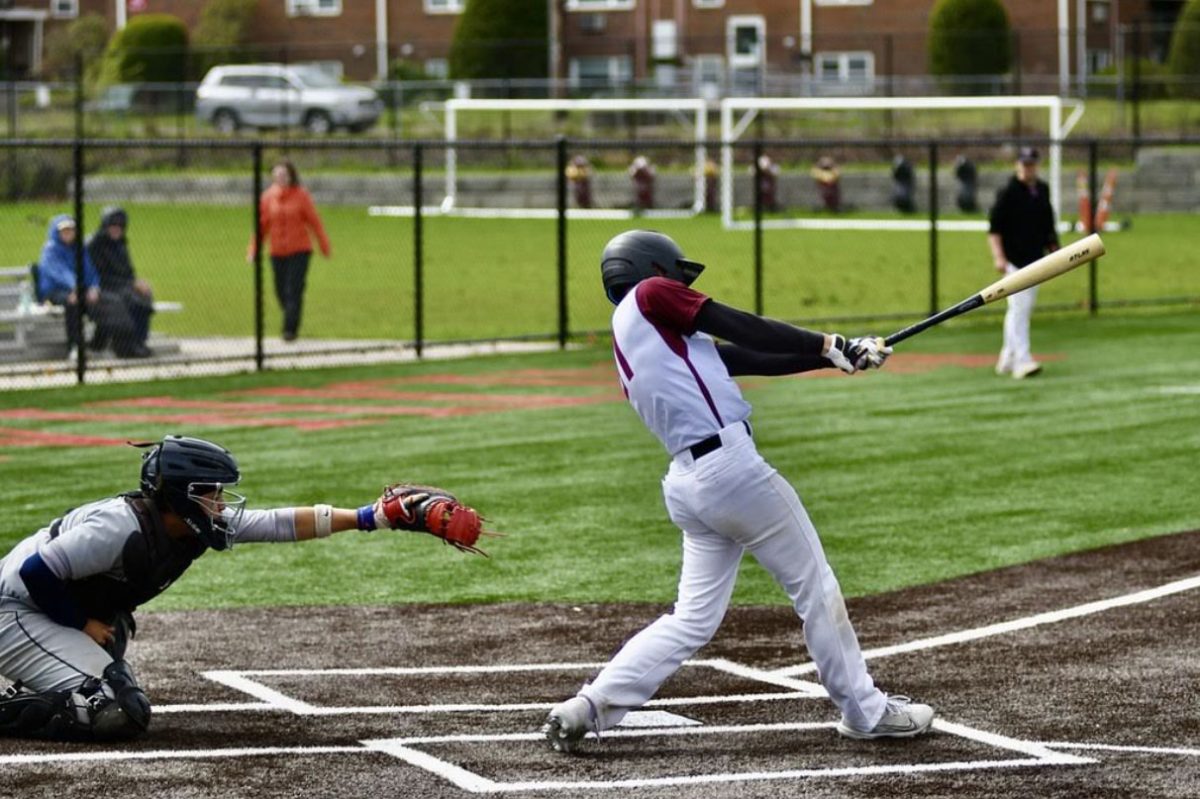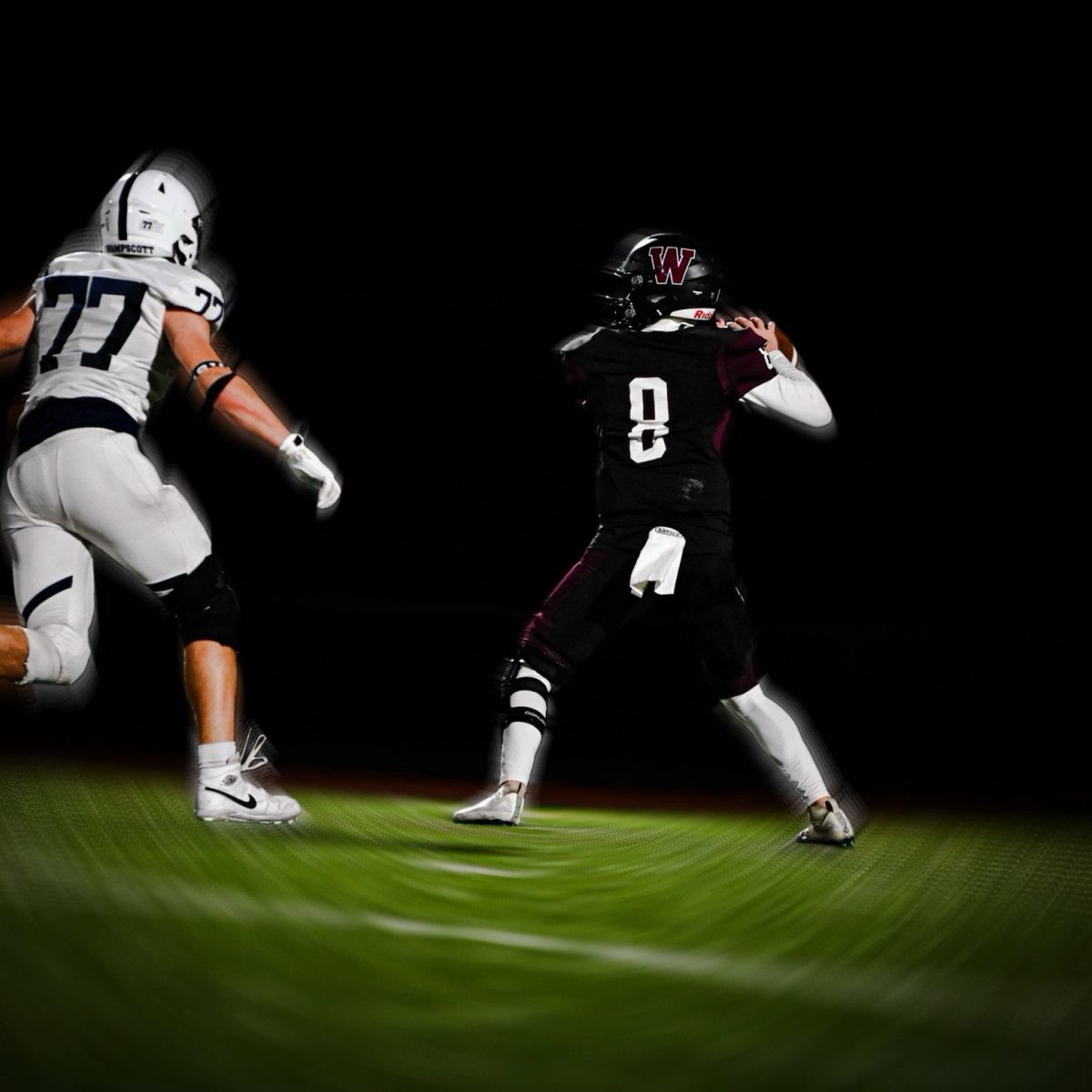
Sports photography has been a growing field across all levels in recent years, from professionals working at major sporting events to high school photographers capturing key team moments. The increased presence of posts on social media depicting high school athletes during competitions reflects how high school sports photography is becoming significantly more popular, at least in part due to the increased fame professional sports photographers have gained in recent decades.
Sports photography legends such as Neil Leifer and Walter Looss Jr. created thousands of amazing works throughout their careers, and some even illustrated iconic moments in sports. More recently, Jim Poorten has become one of the most popular basketball photographers in the industry. His work is appreciated by thousands of fans on social media and has inspired some teens to follow in his footsteps by photographing their high school sports teams.
In the Wildcat world, many emerging photographers start their journey with the simple love of photography and the curiosity to explore unfamiliar fields of activities.
“I started sports photography ‘just for fun’ and to try something new, but I ended up wanting to continue with it in a more professional sense,” said senior Aurelia Whitehouse.
Some see sports photography as an opportunity to enjoy photography and sports simultaneously, while others see it as a chance to improve their photography skills. For these students, their prior interest in photography was something they hoped to expand by focusing their cameras on athletics at WHS.
“I was already [studying] photography,” said senior Oren Waxman. “[I thought] ‘Why don’t I just bring my camera out to a few track meets, a few sports games, and take photos.’”
Inspiration from family members can also create an interest in the general field of photography even before the focus shifts to sports.
“My grandpa was a photographer for “National Geographic,” and he used to show me his work when I was a kid,” said Whitehouse.
As these student photographers have developed their skills, they’ve learned that perfecting the composition of the photo in relation to lighting, composure, and angle is one of the most important elements of successfully capturing the moment. This also helps to present the best photography work possible.
“You have to know how to compose the shot so it’s visually appealing,” said Waxman.
One of the main goals of a photographer is to capture and preserve important life moments. For many student photographers, seeing people appreciate their work when it captures a key moment for an athlete is the main factor that drives them.
“Opening Instagram to see my photos as profile pictures, posts, stories, game day posters and more is so rewarding,” said Whitehouse.
Despite working hard to capture the optimal shot every time, even the most expert photographers don’t always receive positive feedback. The pressure to impress is consistently present, which also amplifies the negative comments about their work. While these comments can sting in the short-term, in the long run, they represent a chance to further their craft.
“You should look at it as an opportunity to collaborate with others and learn more,” said junior Matthew Tilton.
These high school photographers generally focus on the major high school sporting events such as football, basketball, hockey, and soccer games. These sports draw the largest number of fans, which can lead to photographers being able to sell their images to not only the athlete but also but even to the team for promotional purposes. Creating an online presence to make these sales happen is another step the high school sports photographer can take.
“I learned how to build my own website, how to write contracts, as well as how to communicate with teams,” said Whitehouse.
Photography also requires a critical eye that can watch a game or other event and know when the moment is right to start shooting. Finding different ways to capture those big moments, by varying the angle or exposure, is what can take this skill to the level of being more like an art form.
“You look at things differently in the world when you decide what you want to capture,” said Tilton.
These students may not plan to pursue photography as a career, but at least some of them see this skill as a sidelight they can enjoy throughout their lifetimes. It is something that is easy to pick back up and start where they left off.
“I would love to get back into photography after college graduation, or maybe continue it throughout my college years as more of a hobby,” said Whitehouse. “It’s great to know I can fall back on this career no matter what.”