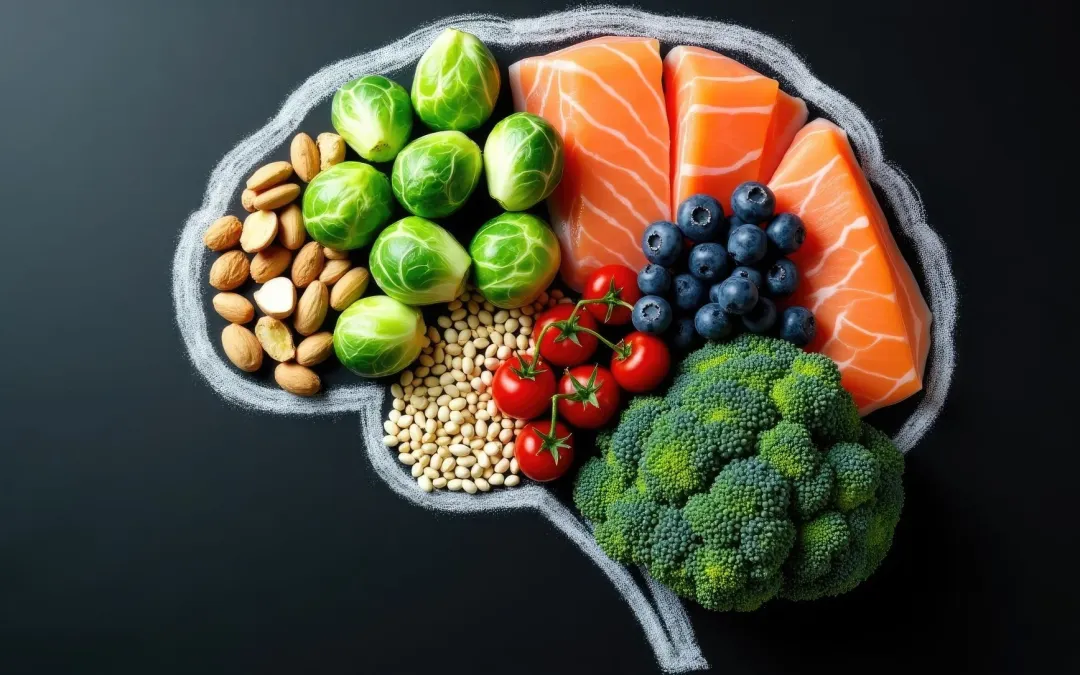
Food choices may play a larger role in students’ focus and energy during the school day than many realize, affecting how students perform in class, on homework, and during tests.
Starting the day with a healthy breakfast is the first step many take to ensure they have the energy they need at school. According to the Centers for Disease Control and Prevention, students who eat breakfast tend to have better concentration, memory, and overall academic performance compared to those who skip it. Data from the Food Research and Action Center also shows that students who eat breakfast perform better on tests and show improved attention during morning classes due to more stable energy levels and blood glucose.
“I’m more focused and more ready to work,” said freshman Ian Siwik, who eats breakfast each morning. “Apples and eggs get me through the day because they’re high in protein.”
According to Weston Public Schools’ nutritionist Olivia DiBona, several nutrients are vital for performance in school.
“Students need carbohydrates for energy, protein to stay full and focused, and healthy fats for brain health. Vitamins, minerals, and water also help support concentration,” said DiBona.
Research from the Harvard T.H Chan School of Public Health shows that consistent healthy eating patterns are associated with better memory and learning outcomes over time, so consistently eating healthy food throughout the day is also important.
“Our school meals include a balance of whole grains, protein, fruit, vegetables, and milk,” said DiBona. “This will provide steady energy and prevent students from feeling too hungry or tired.”
Food is not the only key to getting through the day; studies from the British Nutrition Foundation indicate that even mild dehydration can reduce attention, short term memory, and cognitive performance in students.
“I think to a point you need to be hydrated to be focused,” said freshman Gray Jones.
According to the Harvard T.H. Chan school of public Health, diets rich in fruits, vegetables, whole grains, and lean proteins support brain function and help maintain steady energy levels, while diets high in added sugars and processed food can negatively affect concentration.
“Sugary and highly processed foods can cause energy spikes followed by crashes. This can make it harder for students to stay focused and alert in class,” said DiBona
Making healthy choices can be relatively easy and doesn’t have to involve lots of effort or food preparation.
“Simple options include fruits, vegetables, whole grains, and foods with protein like yogurt, eggs or sandwiches. Drinking water instead of sugary drinks is also a healthy choice to make,” said DiBona